
Exploit surfaces
Identify system components, trust assumptions, abnormal signals, and likely points of failure.
Signature cybersecurity program
Blockchain Attack Lab is a facilitated tabletop simulation that teaches security, governance, risk, and incident response through decisions participants have to make together.
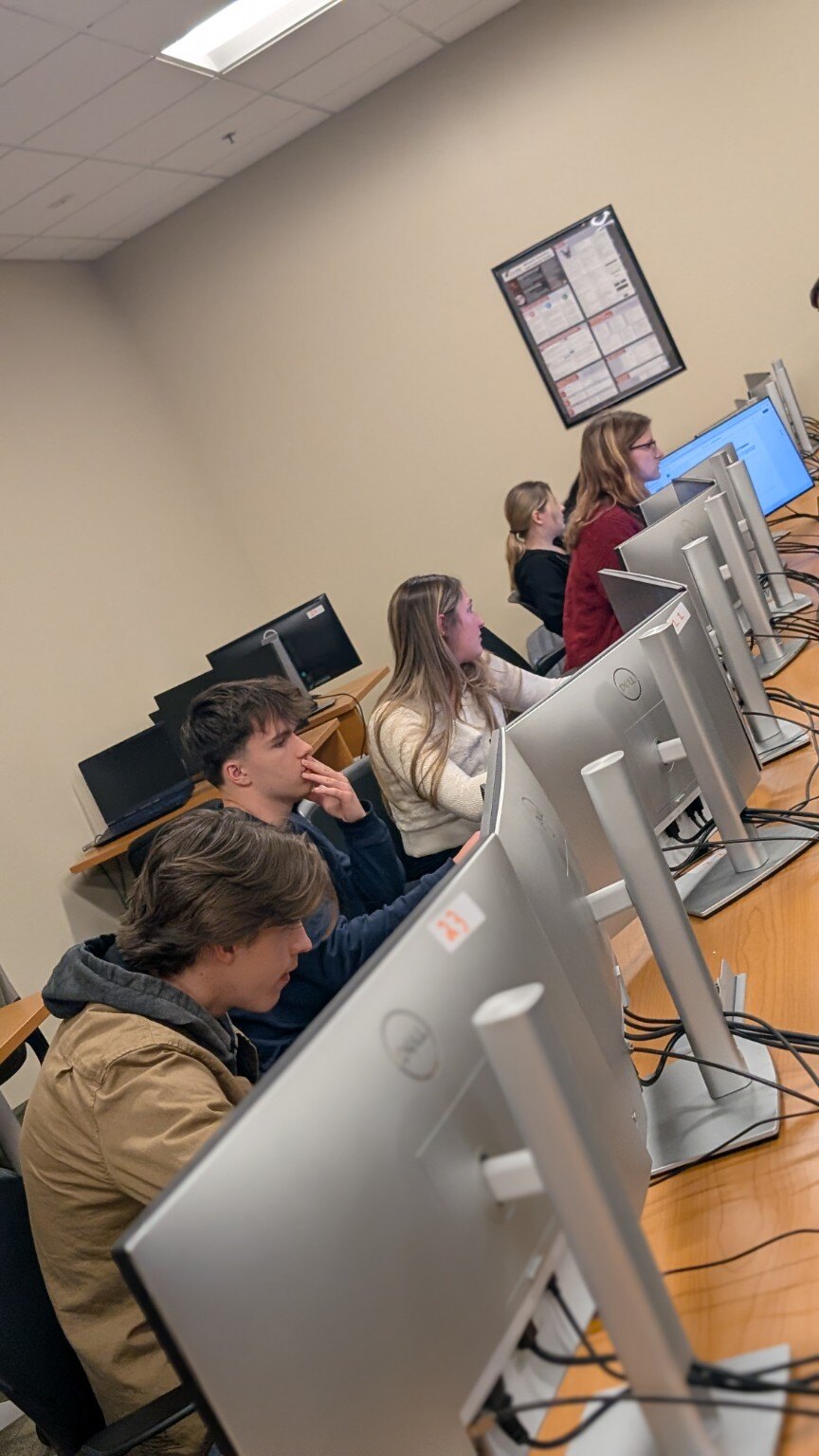
No generic slide deck. Participants work the incident.
Teams receive an evolving scenario involving a distributed system, a suspected exploit, incomplete information, conflicting priorities, and time pressure. They have to identify what is happening, determine what matters most, assign responsibilities, communicate decisions, and build a defensible response.
The program makes complex risks tangible without requiring every participant to write code. Technical and nontechnical participants can contribute through analysis, operations, communications, governance, legal reasoning, finance, or executive decision-making.
Identify system components, trust assumptions, abnormal signals, and likely points of failure.
Examine how code, bridges, permissions, oracles, and dependencies can create cascading exposure.
Work through multisig, DAO, access-control, escalation, and operational-security problems.
Prioritize actions, communicate with stakeholders, preserve evidence, and defend the recovery plan.
Simulation flow
The facilitator releases incident updates as teams investigate, forcing participants to reassess assumptions and act with incomplete information.
Meet the system, team roles, known facts, and operational stakes.
Review the first indicators of compromise and competing explanations.
Respond as losses, pressure, governance conflict, or public scrutiny grows.
Choose containment, communication, recovery, and accountability actions.
Compare team reasoning to the technical, operational, and governance lessons.
Delivery formats
Scenario complexity, terminology, roles, and debrief depth are adapted to the audience.
A high-energy introduction for conferences, student programs, and short professional sessions.
Deeper investigation, more injects, clearer team roles, and a structured response presentation.
A tailored scenario, pre-brief, multiple rounds, expert debrief, and organization-specific learning goals.
Cybersecurity and computer science students practice systems thinking, threat analysis, and team response.
Finance, business, and risk students see how technical failure becomes operational, liquidity, governance, and reputational risk.
Professional and leadership teams explore decision rights, communication gaps, escalation, and resilience.
Policy and public-sector audiences gain a grounded understanding of how distributed systems fail and what responsible response requires.
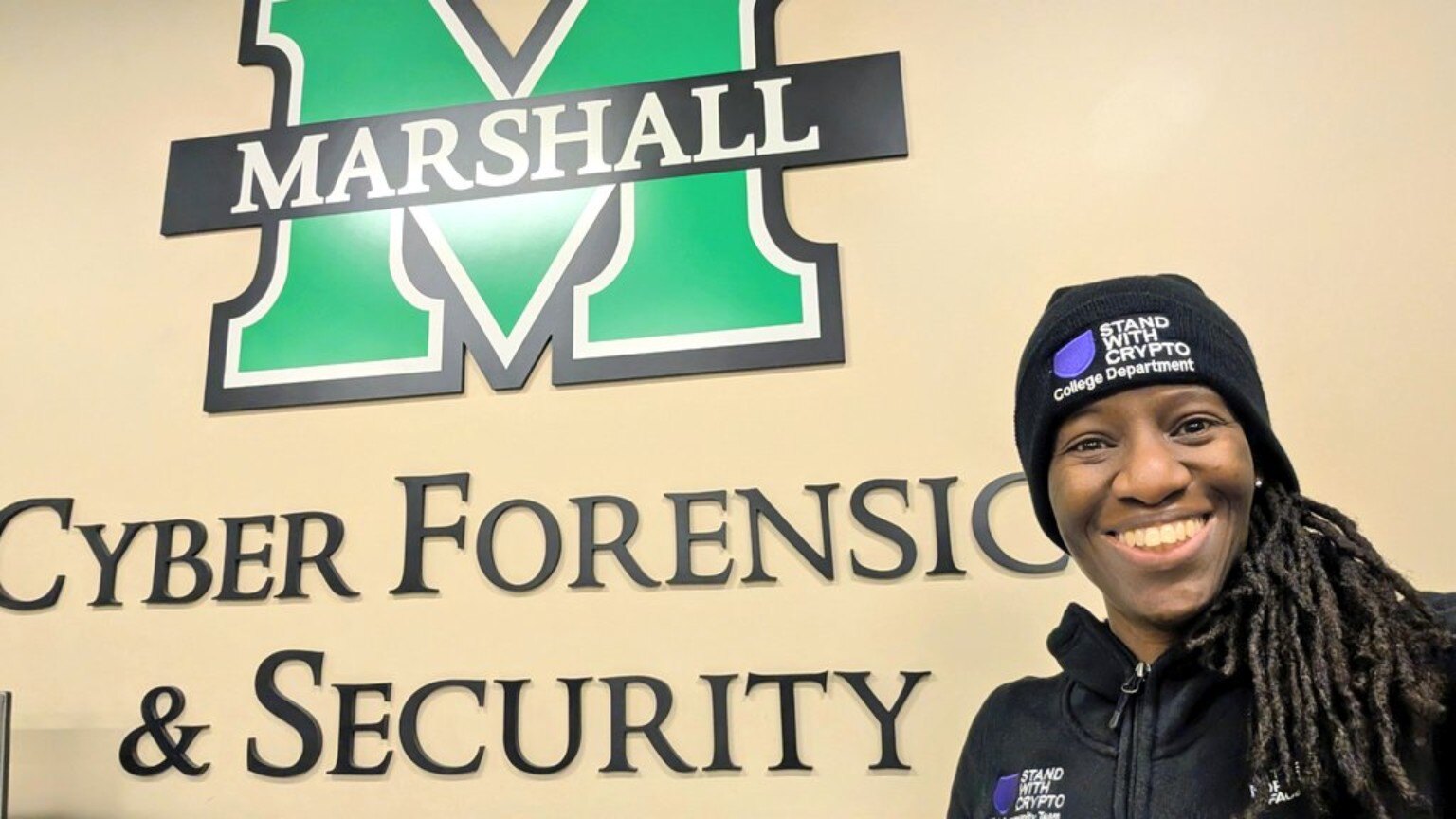
WVBF delivered Blockchain Attack Lab as a featured technical session during Marshall University's CyberCon Student Readiness Workshop in March 2026. The 60-minute simulation introduced students to real categories of blockchain security threats and infrastructure risk modeling.
The program can now be adapted for universities, cybersecurity centers, student organizations, workforce programs, conferences, companies, foundations, and public-sector teams.
Run the incident
Tell us the audience, available time, and learning goals. We will recommend the right Attack Lab format.